Holiday Food Safety Essentials
December 1, 2025
Food Safety Tips for a Healthy Holiday season
The holidays bring people together around the table, swapping recipes, sharing leftovers, and passing around plates filled with family favorites. But with bigger meals, more cooks, and busier kitchens, the risk of foodborne illness climbs. The CDC estimates that about 48 million (about 1 in 6) Americans get sick from unsafe food each year.
MEPHC believes that safe, wholesome meals are more than memories, they're an act of caring for your community. Whether your holiday table seats two or twenty, practicing a few simple food-safety habits can help keep everyone healthy.
FDA's “Four Cs” of Food Safety
1. Clean
Start strong: wash your hands for at least 20 seconds before and after handling food. Wipe down counters and cutting boards with hot, soapy water, especially after preparing raw meats or eggs. Skip rinsing raw poultry or meat; the splashing can spread bacteria around your sink and counters.
2. Separate
Use different cutting boards and utensils for items that will be cooked, like raw meats and ready-to-eat foods like salads or bread. When storing or marinating meat, keep it sealed and placed on the lowest refrigerator shelf so juices can’t drip onto other foods.
3. Cook
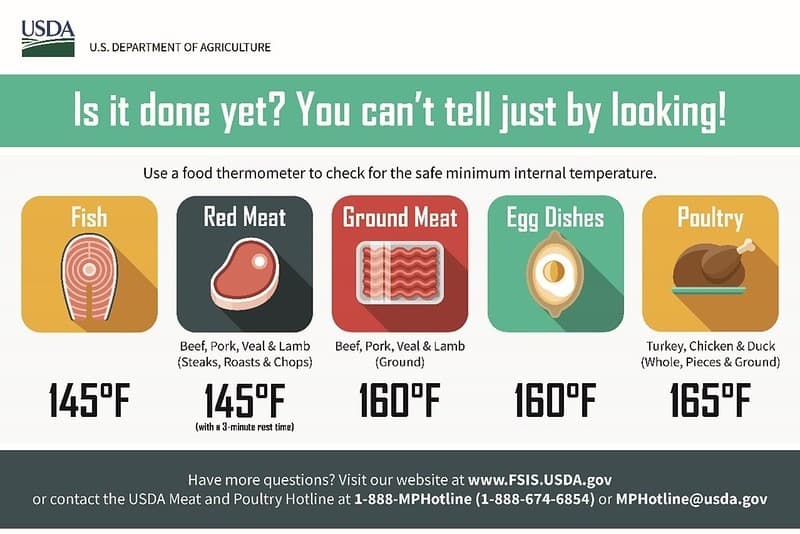
Colour isn’t a safe indicator of doneness, temperature is. Use a food thermometer to confirm these safe internal temps:
-
Poultry (whole or ground): 165 °F
-
Ground meats (beef, pork, lamb, veal): 160 °F
-
Fresh beef, veal, lamb, pork, ham: 145 °F (with a three-minute rest time)
-
Fish: 145 °F or until flesh flakes easily
4. Chill
Refrigerate leftovers within two hours (or one hour if it’s over 90 °F outdoors). Set your fridge to 40 °F or below, and your freezer to 0 °F. Store leftovers in shallow containers so they cool evenly, and toss anything older than 3–4 days.
Hosting & Leftovers: What to Watch
Holiday hosting can mean a crowded kitchen and food that sits out longer than it should. Keep an eye on timing, anything perishable shouldn’t linger unrefrigerated beyond two hours. Use serving spoons for each dish to prevent cross-contamination, and label foods if you’re hosting a buffet or potluck.
When reheating leftovers, heat them to at least 165 °F and stir halfway through so they warm evenly. And if you’re thawing a frozen turkey or roast, do it safely — in the fridge, in cold water (changing it every 30 minutes), or in the microwave. Never thaw meat on the counter.
Why It Matters Beyond Your Table
Foodborne illness can hit anyone, but infants, older adults, pregnant people, and those with weakened immune systems are especially vulnerable. Preventing one case doesn’t just mean keeping your family healthy, it keeps ERs less crowded and helps your community stay well during a season when respiratory illnesses already strain healthcare systems.
Food safety is part of public health, just like vaccines and clean water. This holiday, you can make a difference simply by using a thermometer, washing your hands, and storing food safely.
Quick Holiday Food Safety Checklist
- Wash hands, counters, and utensils often
- Keep raw meat, poultry, seafood, and eggs separate
- Use a thermometer for meats and casseroles
- Refrigerate leftovers within two hours
- Reheat to 165 °F before serving
- When in doubt, throw it out
Spread the Health
We all have someone in our circle who loves to cook, share this checklist or post it on your fridge as a friendly reminder. For more local resources on safe food handling, contact your town’s Board of Health or visit Mass.gov/foodsafety.
Here’s to warm meals, full hearts, and a healthy start to the new year.
Sources: